We Hear Rooms Before We Read Them
A room is never just seen. It is heard, too.
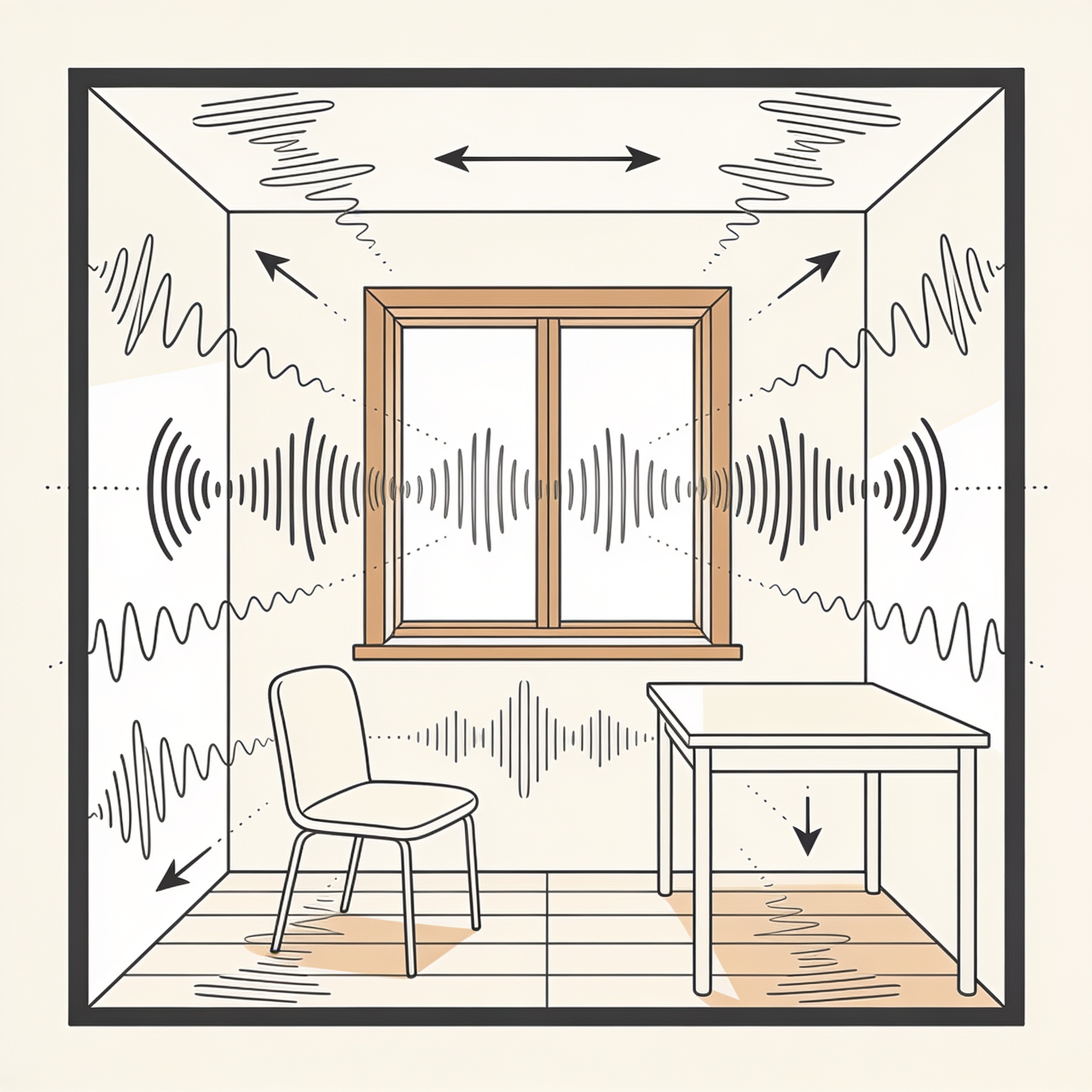
Before we notice the furniture, the color of the walls, or the shape of the window, we usually hear a space. A hallway tells you it is narrow by the way footsteps return to you. A kitchen feels active because of the clink of cups, the hum of appliances, the soft scrape of a chair. Sound gives a room edges. It tells us whether a space is open or enclosed, soft or hard, busy or calm.
That is why sound belongs in architecture, not as an afterthought, but as part of the design itself. The materials around us do more than hold a shape. They absorb, reflect, and carry noise. Glass, concrete, wood, fabric, tile — each one changes the way sound behaves. This is not just technical. It is emotional. A space that rings too sharply can feel tense. A room that holds sound gently can feel like it is making room for thought.
We often treat listening as passive. But in built environments, listening is a kind of reading. It helps us understand scale, distance, and atmosphere. Sound is one of the quiet ways architecture tells us what kind of place we are in.